Mastering Chocolate Cake: A Sweet Dessert That Deserves Expert Attention
Chocolate cake sits at the very heart of dessert culture. It is the classic birthday centerpiece, the comforting slice served at family gatherings, and the indulgent treat that turns an ordinary afternoon into a celebration. Yet for a food so universally loved, chocolate cake is often misunderstood. Many home bakers, aspiring pastry enthusiasts, and even professionals overlook subtle details that separate a dense, dry disappointment from a moist, deeply flavorful masterpiece. Understanding what makes chocolate cake truly shine—and where most people go wrong—can save you time, money, and a lot of wasted ingredients.
Why Chocolate Cake Deserves a Second Look
At its simplest, chocolate cake is a combination of flour, sugar, eggs, fat, and cocoa or chocolate. But reducing it to just those components ignores the delicate balance that transforms it into an irresistible sweet dessert. The quality of the chocolate, the mixing method, the baking temperature, and even the way the cake is stored all play critical roles. People often focus too heavily on fancy decorations while ignoring the fundamental texture and taste. A beautifully decorated cake that is dry or bland will disappoint the most important judge: the person eating it.
One of the biggest mistakes bakers make is using low-quality cocoa powder or substituting chocolate chips for proper baking chocolate. Unsweetened natural cocoa powder has a sharp, fruity edge that reacts with leavening agents, while Dutch-process cocoa is smoother and darker. Using the wrong type can throw off both flavor and rise. Similarly, chocolate chips often contain stabilizers that prevent them from melting smoothly, leading to a grainy or waxy texture. For a cake that tastes deeply of chocolate, always choose the appropriate cocoa or couverture chocolate specified in the recipe, and avoid cheap substitutions.
Common Errors That Ruin a Good Chocolate Cake
Even experienced cooks stumble over a handful of repeating pitfalls. Recognizing these can immediately improve your results.
- Overmixing the batter. Once flour is added, gluten begins to develop. Vigorous mixing after this point leads to a tough, rubbery crumb. Stir only until the dry ingredients are just incorporated.
- Incorrect oven temperature. An oven that runs too hot can dome and crack the cake, while a cool oven causes it to sink. Always use an oven thermometer, and avoid opening the door during the first 20 minutes of baking.
- Not measuring ingredients by weight. Volume measurements for flour and cocoa can vary by as much as 30%. Use a kitchen scale for repeatable, reliable results.
- Frosting too soon. Spreading buttercream or ganache on a warm cake is a recipe for a melted, sliding mess. Let layers cool completely, and consider a thin crumb coat to lock in loose particles.
- Ignoring the impact of altitude or humidity. Baking at high altitudes often requires adjustments to sugar, liquid, and leavening. Very humid days can add excess moisture, affecting texture.
These errors aren't just theoretical; they directly affect whether your chocolate cake becomes a memorable centerpiece or a forgotten afterthought. For bakers who sell their creations, the consequences are even steeper. A poorly executed cake can damage a budding reputation, lead to customer complaints, and waste expensive ingredients.
Practical Fixes and Better Approaches
To avoid the dry-cake trap, try a simple technique: replace a portion of the butter with oil. Oil coats flour proteins more efficiently, reducing gluten formation and yielding a moister crumb. Buttermilk or sour cream introduces acidity that tenderizes the cake and amplifies the chocolate flavor. If your recipe tastes flat, add a teaspoon of espresso powder—it won't make the cake taste like coffee, but it will intensify the chocolate notes remarkably.
When it comes to presentation, many home bakers and small business owners make the mistake of undervaluing visual appeal. A grainy smartphone photo of a lovely chocolate cake can make it look unappetizing on a website or menu. Conversely, a clean, professional-looking graphic can make even a simple recipe shine. For those who create content around desserts—whether for food blogs, marketing materials, café menus, or social media—having access to high-quality, editable illustrations of chocolate cake is a game-changer.
Bridging the Gap Between Taste and Visual Impact
Great food deserves equally great presentation, both on the plate and in digital form. This is where many entrepreneurs and marketers stumble. They might source generic clipart that looks outdated, or they spend hours trying to photograph a cake under imperfect lighting. Neither approach yields the clean, appetizing result needed for modern print and web use. What if you could simply drop a beautifully detailed chocolate cake illustration into your project, adjust the colors to match your brand, and resize it for anything from an app icon to a large poster?
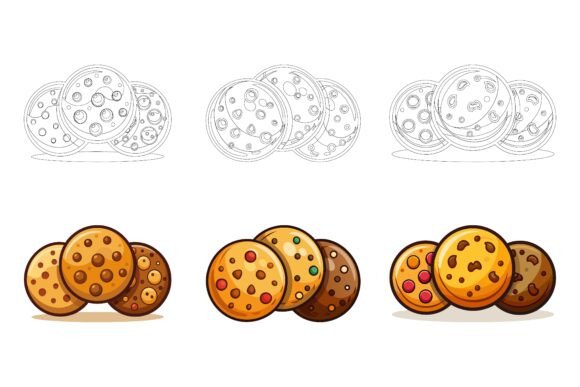
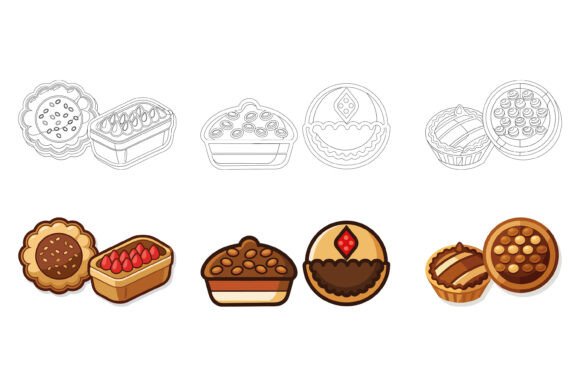
That kind of flexibility is exactly what our special AI EPS illustration set delivers. Designed specifically for anyone who needs to showcase chocolate cake quickly and professionally, this collection solves the most common design headaches. No more struggling with inconsistent styles or pixelation at larger sizes. Each illustration is built with precision and a deep understanding of how food imagery works in both commercial and personal projects.
What Makes This Chocolate Cake Illustration Set Different
After working with countless designers, bakers, and content creators, we fine-tuned a set of features that directly address real-world frustrations. The file package includes AI, EPS, and JPG formats, making it immediately usable whether you're a seasoned graphic designer or a small business owner who just needs a quick, polished visual.
One frequent oversight is assuming all vector files are created equal. Many poorly organized assets have unnamed layers, merged shapes that cannot be edited, or colors that are difficult to modify. Our collection is neatly organized with a clear file and layer structure, so you never waste time hunting for a single element. Every detail—from the fudgy frosting swirls to the delicate crumbs—is rendered with consistency, avoiding the mismatched look that plagues cheaper bundles.
- AI EPS and JPG included – immediate compatibility with major software.
- Designed for both Mac and Windows users – no platform limitations.
- Perfect for print, web, symbols, apps, and infographics – scalable without losing quality.
- Easily change colors and modify the icon – adapt the artwork to your specific brand palette or project mood.
- Perfection in details and consistency – every illustration maintains the same high standard, so you can mix and match with confidence.
Another common trap is assuming that an illustration will work everywhere straight out of the box. Many ready-made graphics are limited to specific themes or color schemes. With our set, you aren't locked into a single look. You can edit the chocolate shade lighter for a milk chocolate variation, or adjust the plate and background to complement your website's design. This prevents a disjointed appearance across your materials and saves you from having to commission custom artwork.
How to Evaluate a Dessert Illustration Before You Commit
Before buying or downloading any digital asset for chocolate cake or other sweet desserts, ask a few practical questions. Does the file structure allow easy editing, or will you spend hours cleaning up? Are the preview images accurate, or do they hide messy outlines and pixel artifacts? Is the license appropriate for your intended use—commercial, editorial, or personal? Many users overlook licensing details and later face legal issues when using an image on product packaging or a monetized video. Always verify that the asset can be used for your specific needs, especially in e-commerce or promotional contexts.
Our collection is built with those careful checks in mind. The inclusion of JPG previews means you can quickly see exactly what you're working with before opening the editable vector files. The structured layers let you isolate the cake, the frosting, or any decorative element, so modifications are straightforward, not frustrating. Whether you're a marketer creating a downloadable recipe card, a blogger designing a featured image, or a small bakery updating a menu, you get a professional product that reflects well on your brand.
Small Changes That Elevate the Entire Dessert Experience
Returning to the cake itself for a moment: a deep understanding of ingredients and technique naturally complements better visual assets. When you know your cake is moist, rich, and perfectly balanced, you feel more confident showcasing it. Conversely, having a stunning illustration can inspire you to tweak your actual product—perhaps adding a glossy ganache drip or a sprinkle of sea salt that you then reflect in the graphic. This synergy between the real and the represented creates a compelling story for your audience.
Consider a small bakery that updates its website with a homemade photo of a slumped, slightly lopsided chocolate cake next to a polished, appetizing illustration of the ideal version. The contrast can actually hurt credibility. But using the same illustration set to create a consistent, beautiful look across the menu, social media, and signage builds trust and raises perceived value. And because the artwork is fully editable, the bakery can later introduce a seasonal peppermint chocolate cake and simply alter the existing design instead of starting from scratch.
For bloggers and recipe developers, the same principle applies. A rich, vibrant chocolate cake illustration used as a background for a recipe card can make the post more shareable and engaging. The organized file structure ensures you don't accidentally delete a key layer while trying to add text, a common annoyance with poorly constructed vectors.
Putting It All Together
Chocolate cake, as a food and a sweet dessert, carries deep emotional weight. People don't just eat it; they remember it from childhood birthdays, celebrate milestones with it, and comfort themselves with a quiet slice after a long day. Honoring that connection means giving the cake its due—both in the kitchen and in how you present it to the world. By sidestepping the common baking errors and pairing your creation with top-tier visuals, you transform a simple dessert into a memorable, professional experience.
You have the chance to immediately elevate your projects without the typical headaches. The illustration set is ready for download, compatible with your workflow, and built to save you from the mistakes that come with lesser resources. So skip the trial-and-error of blurry downloads and incompatible files. Start using an artwork collection that is detailed, flexible, and designed with your real needs in mind—whether you're crafting a blog post, printing a menu, or building an app.