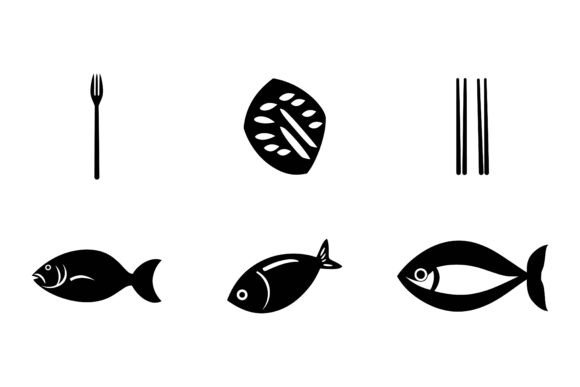
Fish on Plate Illustration Set for Designers
There are few visual motifs in graphic design that feel as universally welcoming, warm, and appetizing as a beautifully rendered Fish on Plate. Whether you are crafting a seafood restaurant menu, designing packaging for gourmet food products, or building an editorial spread for a culinary magazine, this single image can anchor an entire composition with elegance and narrative depth. The right illustration transforms a simple serving suggestion into a storytelling asset that speaks directly to appetite, culture, and craftsmanship. For designers and content creators who need production-ready files that adapt effortlessly across print and digital media, curated collections make all the difference.
Why a Fish on Plate Illustration Captures Attention
Food imagery in visual design carries a unique psychological weight. A Fish on Plate illustration signals freshness, culinary tradition, and sensory appeal without requiring a single word of copy. In branding and brand identity work, this motif helps restaurants, food bloggers, and hospitality businesses build an immediate emotional connection with their audience. The composition invites the viewer to imagine taste, texture, and atmosphere, which is precisely what effective visual communication should accomplish.
From a design workflow perspective, working with an illustration rather than photography offers greater creative control. You can adjust proportions, recolor elements to match a brand's color palette, and scale the artwork across everything from social media graphics to large-format print design without losing fidelity. This flexibility makes illustrated food assets invaluable for modern aesthetics in editorial design, packaging design, and UI design projects.
What Makes Certain Illustration Sets Stand Out
Not every creative asset collection delivers the same level of polish or practical usability. When evaluating illustration sets for professional creative projects, several factors determine whether the files will integrate smoothly into your existing workflow or create unnecessary friction. A well-crafted Fish on Plate illustration set should offer more than just a pretty picture. It should function as a genuine design tool.
File Format Versatility Across Platforms
Designers work across different operating systems and software environments. The best illustration collections include AI EPS and JPG formats, ensuring compatibility whether you are working on macOS or Windows. The AI and EPS files preserve vector scalability, which is essential for everything from tiny app icons to oversized trade show banners. Meanwhile, the JPG provides a quick-access raster option for digital marketing, social media graphics, and web design when you need to move fast.
Organized File and Layer Structure
Opening a downloaded illustration only to find flattened, unlabeled layers wastes valuable time and kills creative momentum. Premium collections feature a neatly organized file and layer structure that lets you isolate individual elements, apply stroke adjustments, or swap background settings in seconds. This level of organization matters especially in fast-paced design workflow scenarios where multiple team members may need to access and modify the same asset for different branding applications.
Consistency and Attention to Detail
Design professionals know that perfection in details and consistency separates amateur work from polished commercial output. When an illustration set maintains uniform line weights, cohesive shading styles, and balanced proportions across every element, the result is a versatile system rather than a disconnected collection of drawings. A Fish on Plate illustration with consistent detailing can anchor a visual hierarchy across menu pages, promotional flyers, and even merchandise without requiring extensive post-processing.
Practical Applications Across Design Disciplines
The versatility of a high-quality food illustration set extends far beyond the obvious restaurant menu use case. Here are practical applications where a Fish on Plate illustration proves its value across different design disciplines and creative projects:
- Branding and logo design — Seafood markets, coastal resorts, and culinary brands can stylize the illustration into a recognizable mark that carries through their entire visual design system.
- Packaging design — Frozen food boxes, gourmet spice blends, and specialty sauces benefit from appetizing illustrated labels that stand out on crowded supermarket shelves.
- Social media content — Food influencers and hospitality brands can use the illustration as a consistent visual anchor for Instagram stories, Pinterest pins, and Facebook ad campaigns.
- Website and UI design — Restaurant booking platforms and food delivery apps can incorporate small-scale icon versions for category navigation or featured dish highlights.
- Editorial layouts — Food magazines and recipe blogs can pair the illustration with typography to create striking opening spreads and recipe cards.
- Infographics and data visualization — Nutrition guides, seafood sustainability reports, and culinary trend analyses can use the illustration as a thematic decorative element.
- Print and advertising campaigns — From billboard graphics to direct mail postcards, scalable vector artwork ensures crisp reproduction at any size.
The Advantage of Full Editability
One feature that experienced graphic designers consistently look for is true creative freedom once the file is open. Unlike stock photography that locks you into predetermined lighting and composition, a vector-based Fish on Plate illustration empowers you to edit, change colors, and modify the icon easily according to specific project requirements. Need the fish to match a brand's signature coral orange? Adjust the fill in seconds. Want to remove the garnish for a minimalist presentation? Toggle the layer visibility. Designing for a dark-mode app interface? Swap the background tone and watch the illustration adapt instantly.
This level of editability makes the illustration suitable for diverse outputs including print, web, symbols, apps, and infographics. A single well-built asset can serve an entire campaign, from business card graphics to responsive web headers, maintaining visual consistency across every touchpoint.
How to Integrate Food Illustrations Into Your Design System
Incorporating a themed illustration into an existing brand identity requires thoughtful application. Start by identifying where the Fish on Plate graphic adds the most communication value. Use it as a hero element on landing pages where you want visitors to linger, or as a subtle supporting icon in navigation where it aids recognition without overwhelming the layout. Pay attention to visual hierarchy. The illustration should complement your typography and color palette rather than compete with them for attention.
When using the illustration in digital marketing materials, test how it renders across device breakpoints. Because the file includes vector formats, responsive scaling should present no issues. The illustration remains sharp on retina displays and scales gracefully for print design output at 300 DPI or higher. For presentation decks and pitch materials, the clean professional presentation quality of a consistent illustration style signals attention to detail that clients and stakeholders notice immediately.
For designers building creative assets libraries from scratch, investing in illustration sets that prioritize organization and editability pays long-term dividends. Every project that benefits from a polished Fish on Plate graphic moves faster because the foundational asset is already production-ready. You spend less time cleaning up messy layers and more time refining the composition and narrative around the food story you are telling. This shift in focus from technical cleanup to creative exploration improves both the final output and the satisfaction of the design process itself.