How AI-Powered EPS Illustration Collections Are Transforming Modern Creative Workflows
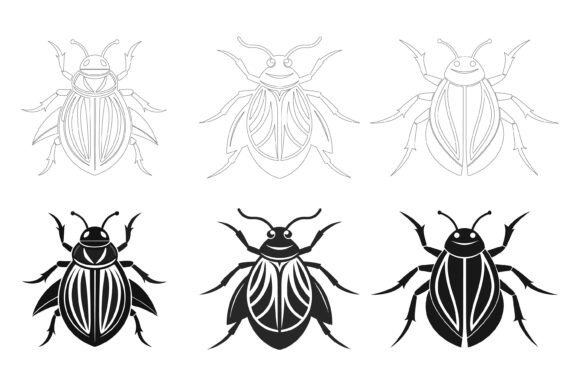
In a creative landscape where speed, adaptability, and originality define competitive advantage, the tools designers and marketers rely on have evolved dramatically. Among the most compelling developments is the rise of curated AI EPS illustration sets—meticulously organized vector collections that blend algorithmic precision with artistic sensibility. Whether you are designing a brand identity, building an app interface, or crafting an infographic, the availability of intelligent, editable vector assets is reshaping how professionals approach visual storytelling. One standout example worth examining is the Insect themed collection, a resource that captures the intersection of nature-inspired imagery and cutting-edge design utility.
The Growing Demand for Intelligent Vector Resources
Over the past decade, the creative industry has witnessed a fundamental shift in asset consumption. Gone are the days when designers would spend hours sketching individual icons or negotiating complex licensing agreements for stock imagery. Today, the expectation is immediate access, frictionless customization, and cross-platform compatibility. This is precisely where specialized collections like the Insect illustration set demonstrate their value. By providing files in AI EPS and JPG formats, these resources cater to both vector-focused professionals and those who need raster previews for rapid placement or client presentations.
The demand for such resources is not accidental. It reflects deeper changes in how creative teams operate. Remote collaboration, agile marketing cycles, and the explosion of digital touchpoints—from social media to in-app experiences—have compressed timelines and raised the bar for visual consistency. When a marketer needs to launch a campaign, a freelancer takes on a branding project, or an entrepreneur builds a pitch deck, waiting on custom illustration is often not an option. Curated vector sets bridge that gap without sacrificing quality.
Why the Insect Theme Resonates Across Industries
At first glance, an Insect theme might seem niche. But look closer, and its versatility becomes apparent. Insects represent transformation, resilience, intricate patterns, and ecological awareness—concepts that resonate in sectors ranging from sustainability and biotech to education and lifestyle branding. A technology startup focused on biomimicry might use insect illustrations to visualize structural principles borrowed from nature. An educational publisher could incorporate detailed insect icons into interactive learning materials. A wellness brand might subtly weave insect motifs into packaging design to evoke natural origins.
Context matters. The relevance of an illustration set is not merely about subject matter but about how easily that subject can be adapted to different narratives. The Insect collection discussed here exemplifies this adaptability. Because each element is fully editable—colors can be shifted, shapes modified, layers reorganized—a single asset can serve multiple purposes. A beetle icon that starts as a website accent can become part of a printed brochure, an app symbol, or an infographic data point, all while maintaining brand cohesion.
Cross-Platform Compatibility as a Baseline Requirement
Creative professionals operate in hybrid environments. A designer might begin a project on a Mac workstation, collaborate with a colleague using Windows, and ultimately deliver assets to a developer working in a completely different ecosystem. File format friction is a productivity killer. The Insect illustration set addresses this by being explicitly designed for Mac and Windows users, ensuring that the AI EPS files open correctly and maintain layer integrity regardless of operating system.
This cross-platform reliability is more than a convenience—it is a reflection of how the creative workforce has decentralized. Freelancers, agencies, and in-house teams are geographically distributed, using diverse hardware. An illustration resource that performs consistently across environments removes a layer of technical friction and allows teams to focus on the creative work itself. The inclusion of JPG files alongside vector formats further streamlines workflows by providing immediate, lightweight previews for mockups, emails, or non-design stakeholders who may not have access to Adobe Illustrator.
Organizational Excellence as a Creative Enabler
One often overlooked aspect of digital asset collections is file and layer organization. A poorly structured file—where layers are unnamed, groups are arbitrary, and elements are scattered—can turn a simple edit into a frustrating scavenger hunt. The Insect collection emphasizes a neatly organized file and layer structure, which directly impacts efficiency. When every element is logically grouped and labeled, designers can isolate specific insects, body parts, or background elements in seconds rather than minutes.
This matters especially in collaborative settings. When multiple team members touch the same files, organizational clarity reduces miscommunication and rework. A junior designer picking up a senior designer’s file should be able to navigate the layers intuitively. For entrepreneurs and marketers who may not have deep Adobe Illustrator expertise, a well-organized file lowers the barrier to entry, empowering them to make basic edits without external help. This democratization of design capability is a quiet but powerful trend reshaping how businesses approach visual content creation.
Perfection in Details and the Pursuit of Consistency
Visual inconsistency is a subtle erosive force in branding. When an icon set mixes mismatched line weights, inconsistent corner radii, or varying levels of detail, the cumulative effect undermines professionalism. The Insect illustration set’s emphasis on perfection in details and consistency speaks to a need that experienced designers feel acutely. Consistency across an illustration family means that a butterfly icon, an ant symbol, and a dragonfly graphic all feel like they belong to the same visual language. This cohesion is critical when building infographics, user interfaces, or multi-page documents where numerous icons appear together.
The pursuit of detail extends beyond aesthetics. In app design, for example, insect symbols might be used as category icons, achievement badges, or navigational elements. If one icon appears more detailed or stylistically divergent, users may subconsciously register the inconsistency, eroding trust in the interface. For print applications—such as educational posters, product labels, or editorial illustrations—detail consistency ensures that the final output looks polished under scrutiny, whether viewed on a screen or in high-resolution print.
Versatility Across Print, Web, Apps, and Infographics
Modern creative work rarely confines itself to a single medium. A brand campaign might span print collateral, responsive websites, mobile applications, and data-rich infographics—all drawing from the same visual library. The Insect illustration set is explicitly described as suitable for print, web, symbols, apps, and infographics, a range that reflects the multi-channel reality designers navigate daily.
Vector illustrations are inherently scalable, which makes them ideal for this multi-format world. An insect graphic destined for a billboard can be scaled up without pixelation, while the same graphic can be reduced to favicon size for a browser tab and remain legible. The ability to edit colors and modify icons easily means that a designer can adapt the same core asset to light and dark mode interfaces, brand color palettes, or seasonal campaign variations without starting from scratch. This flexibility is not just a time-saver; it is a strategic advantage in environments where visual content must pivot quickly in response to market feedback or platform requirements.
The Rise of AI-Assisted Curation and Customization
While the Insect collection itself is a product of thoughtful design, the broader category it represents—AI-assisted or AI-curated illustration sets—is gaining momentum. Artificial intelligence is increasingly used to generate variations, suggest color palettes, and organize assets in ways that maximize discoverability. For the end user, this means faster access to relevant illustrations and more intuitive search within large collections. The human designer remains essential for creative direction, but AI handles the repetitive, organizational, and combinatorial tasks that once consumed disproportionate time.
This synergy between human creativity and machine efficiency is reshaping expectations. Designers now anticipate that illustration sets will arrive pre-organized, thoughtfully layered, and ready for customization—standards that the Insect collection embodies. As AI tools continue to mature, the baseline for what constitutes a “good” illustration resource will only rise, benefiting the entire creative ecosystem.
Practical Scenarios Where Editable Insect Illustrations Excel
Consider a freelance graphic designer tasked with creating a brand identity for an organic honey company. The visual language needs to evoke nature, precision, and warmth. The Insect set provides bee and floral illustrations that can be recolored to match the brand’s amber and cream palette. Layers allow the designer to separate wings from bodies, apply subtle gradients, and composite elements into a logo lockup. The same illustrations then migrate to packaging design, website hero images, and social media templates—each instance edited slightly to fit the context while maintaining visual unity.
In another scenario, an educational technology startup developing a science learning app for children needs engaging, friendly insect characters. The Insect illustrations can be modified—softening edges, brightening colors, adding expressive features—to create approachable learning companions. Because the files are well-structured, the design team can delegate customization across multiple members without confusion. The JPG previews allow curriculum developers without design software to review and provide feedback on the illustrations in context.
For an infographic designer building a report on biodiversity or agricultural trends, insect icons serve as visual anchors that break up dense data. The consistency of the Insect set ensures that a chart comparing pollinator populations uses stylistically unified symbols, making the data easier to parse and the overall design more credible. The ability to edit colors means the icons can align with the report’s color-coded data categories.
Empowering Non-Designers Through Accessible Editing
Not every professional who needs illustrations is a trained designer. Entrepreneurs building pitch decks, marketers creating social content, and event organizers designing invitations often work outside dedicated design software. The Insect illustration set’s emphasis on easy editing—where users can change colors and modify icons according to their needs—lowers the barrier to entry. With basic familiarity in vector editing tools, a non-designer can achieve meaningful customization.
This accessibility reflects a broader democratization of design. As visual content becomes central to communication across all professional roles, the line between “designer” and “non-designer” blurs. Resources that support this shift—by being intuitive, well-documented, and forgiving to edit—are increasingly valued. Businesses that equip their teams with such resources can produce more visual content in-house, reducing dependency on external design services for routine needs.
The Strategic Value of Owning Versatile Illustration Assets
Subscription-based stock platforms have their place, but there is a growing appreciation for owned, perpetual-use illustration collections. When a team acquires a set like the Insect collection, they gain unlimited usage rights without recurring fees, usage caps, or licensing uncertainties. For agencies managing multiple client projects, this model provides cost predictability and creative freedom. For in-house teams, it builds a proprietary asset library that accumulates value over time as illustrations are reused and adapted across campaigns.
This ownership model also encourages deeper engagement with the assets. Designers are more likely to explore variations, combine elements in novel ways, and truly integrate the illustrations into a brand system when they know the resources are theirs to keep and modify indefinitely. The result is a more cohesive and distinctive visual identity, rather than the generic look that can result from widely circulated stock imagery.
Looking Forward: The Evolution of Curated Design Resources
The trajectory of creative tools points toward greater intelligence, personalization, and integration. Illustration collections that combine human artistry with AI organization, cross-platform compatibility, and intuitive editability are setting new standards. The Insect themed collection exemplifies this convergence—a resource that is at once aesthetically focused and technically robust, ready for immediate use across diverse projects.
For the modern creative professional, the value lies not just in having access to illustrations but in having access to the right illustrations, structured in the right way, at the right time. As workflows accelerate and visual demands intensify, thoughtfully curated resources become essential infrastructure. Whether you are building a brand, designing an interface, or communicating complex ideas through infographics, a well-crafted illustration set is an investment in both quality and efficiency. The Insect collection stands as a compelling example of what happens when artistic detail meets practical design thinking—a resource that invites immediate use while remaining adaptable enough to grow with your creative ambitions.
So what are you waiting for? Buy now and start using this awesome illustration set to elevate your next project with precision, consistency, and creative freedom.